One of the most damaging myths about addiction is that it’s a matter of willpower. This simply isn’t true. Addiction is a complex medical condition that changes brain chemistry, making it incredibly difficult to stop without professional help. This is where addiction rehabilitation facilities come in. These are clinical environments that treat addiction as the disease it is. They combine medically supervised detoxification to manage withdrawal symptoms safely with evidence-based therapies to address the underlying psychological causes. Approaching recovery from this medical standpoint removes shame from the equation and replaces it with a clear, compassionate, and effective plan for healing your mind and body.
Key Takeaways
- Effective treatment is always personalized: The best programs do not use a one-size-fits-all approach; instead, they combine proven therapies, medical support, and holistic practices to create a plan that addresses your unique history and goals, including any co-occurring mental health conditions.
- Verify a facility’s quality and specialization: When choosing a center, look for important credentials like state licensing and accreditation from organizations like The Joint Commission. Also, ensure they offer specialized programs that fit your needs, such as dual diagnosis care.
- Lasting recovery depends on long-term support: The work continues after you leave a residential program, so a quality facility will provide a strong aftercare plan. This includes relapse prevention strategies and family resources to help you successfully transition back to daily life.
What is an Addiction Rehabilitation Facility?
If you or someone you love is struggling with substance use, the term “rehab” can feel intimidating. Let’s clear up what it really means. An addiction rehabilitation facility is a specialized center dedicated to providing structured, compassionate care for people with substance use disorders. Think of it as a safe place designed to help you heal, with a team of professionals guiding you every step of the way. These centers offer a variety of services, including medical detoxification, individual and group therapy, and ongoing support systems, all aimed at helping you achieve and maintain lasting recovery.
The core purpose of a rehab facility is to provide a supportive environment where you can focus entirely on your well-being, away from the pressures and triggers of everyday life. Treatment isn’t a one-size-fits-all solution, and it shouldn’t be. A quality facility will take the time to understand your unique situation and create a personalized plan that addresses the specific substance use disorders you’re facing, along with any co-occurring mental health conditions like anxiety or depression. It’s a place to not only stop using substances but also to build a new foundation for a healthier, more fulfilling life.
Inpatient vs. Outpatient Care
When you start exploring treatment, you’ll often see the terms “inpatient” and “outpatient.” Inpatient care means you live at the rehabilitation facility 24/7 for a set period. This model provides an immersive, highly structured environment, which is incredibly helpful if you need round-the-clock support and a space free from distractions. It allows you to fully concentrate on your recovery with constant access to medical and therapeutic care. Outpatient care, on the other hand, offers more flexibility. With this option, you live at home and travel to the facility for scheduled therapy sessions. This can be a great fit if you have a strong support system at home and need to continue managing other commitments, making it a practical choice for many working professionals.
Residential Treatment
Residential treatment is a form of inpatient care where you live in a comfortable, home-like setting while undergoing therapy. The main idea is to remove you from your usual environment, which may be filled with triggers, and place you in a space designed for healing and self-discovery. By stepping away from daily stressors, you can dedicate your full attention to the recovery process. This focused, immersive approach is what makes addiction treatment in Thousand Oaks so effective for many people. It gives you the time and space to build new habits, develop coping skills, and connect with others who understand what you’re going through.
Medically-Supervised Detox
For many, the first and most critical step toward recovery is detoxification, or detox. This is the process of your body clearing itself of a substance. Doing this on your own can be uncomfortable and even dangerous, which is why medically-supervised detox is so important. In a professional setting, a team of healthcare providers monitors you around the clock to safely manage withdrawal symptoms and keep you as comfortable as possible. This level of care ensures your safety and provides a stable starting point for your recovery journey. It’s a compassionate way to begin the healing process, knowing you are in capable hands.
What Kinds of Treatment Do Rehabs Offer?
When you picture addiction treatment, you might think of group therapy circles, but modern rehabilitation is much more comprehensive. The best facilities understand that recovery isn’t a one-size-fits-all journey. Instead, they combine different methods to create a treatment plan that is tailored specifically to you, your history, and your goals. This integrated approach gives you the best chance at a lasting recovery by addressing the addiction from all angles: physically, mentally, and emotionally. It’s about finding what works for you as an individual.
At its core, treatment is about healing the whole person, not just stopping substance use. That’s why facilities like Grata House build their programs around a variety of proven strategies. You’ll find a blend of scientific, medical, and personal wellness practices designed to work together. From therapies that help you rebuild your thought patterns to medical support that eases the physical challenges of withdrawal, every element has a purpose. The goal is to equip you with the tools, understanding, and resilience you need to step confidently into a new, sober life. This multi-faceted approach ensures that you’re not just getting through detox, but truly building a foundation for a healthier future.
Evidence-Based Therapies
Evidence-based therapies are the cornerstone of effective addiction treatment. These are methods that have been rigorously tested by scientific research and proven to help people recover. Think of them as the gold standard in behavioral healthcare. The main goal of these therapies is to help you identify and change the thoughts, feelings, and behaviors that contribute to substance use. One of the most common and effective types is Cognitive-Behavioral Therapy (CBT), which teaches you practical coping skills to deal with triggers and prevent relapse. By working with a therapist, you’ll learn to reframe negative thinking and develop healthier responses to life’s challenges. These are the strategies that form the foundation of a strong recovery program.
clinically supervised care (clinical support)
For many people, clinically supervised care (clinical support) is a critical part of the recovery process, especially for those dealing with opioid or alcohol addiction. clinical support involves using FDA-approved medications, prescribed and managed by a medical doctor, to reduce cravings and manage withdrawal symptoms. This isn’t about replacing one substance with another; it’s a medical approach that helps stabilize your body so you can focus on the psychological aspects of recovery. When combined with counseling and behavioral therapies, clinical support has been shown to dramatically increase the chances of a successful, long-term recovery. It provides a safe and controlled way to manage the physical side of addiction while you do the important work in therapy.
Holistic Therapies
While evidence-based therapies address the mind, holistic therapies focus on healing the body and spirit. These practices are designed to complement your primary treatment, not replace it. Think of activities like yoga, meditation, art therapy, or mindfulness exercises. These therapies help reduce stress, increase self-awareness, and provide healthy outlets for expressing emotions that can be difficult to put into words. At Grata House, we believe in treating the whole person, and our holistic therapies are an integral part of that philosophy. They help you reconnect with yourself and build a sense of inner peace, which is essential for a balanced and sustainable recovery.
Dual Diagnosis and Trauma-Informed Care
It’s very common for addiction to coexist with mental health conditions like depression, anxiety, or PTSD. When this happens, it’s called a dual diagnosis. The most effective treatment addresses both issues at the same time, because they are often deeply intertwined. Treating only the addiction leaves the underlying mental health issue to fester, which can easily lead to a relapse. Furthermore, many people with substance use disorders have a history of trauma. That’s why trauma-informed care is so important. This approach ensures that your entire treatment experience is built on a foundation of safety, trust, and empowerment, creating a space where true healing can begin. Addressing a dual diagnosis is a key part of modern, effective care.
What to Expect During Your Stay
Stepping into a residential treatment facility can feel like a huge, uncertain step. It’s natural to wonder what your days will look like and how you’ll spend your time. The idea of a structured environment might seem intimidating, but it’s designed with one purpose: to give you the space and support to focus completely on your healing, away from the triggers and stresses of daily life. While every facility has its own unique rhythm, you can generally expect a routine that balances intensive therapeutic work with time for personal reflection and building healthy habits.
Your stay is a dedicated period for growth. It’s a time to address the root causes of addiction, develop new coping skills, and connect with others who understand what you’re going through. The daily schedule provides a sense of stability and purpose, often including a mix of individual counseling, group sessions, educational workshops, and holistic activities like yoga or meditation. This structure helps replace chaotic patterns with predictability and self-care. It’s not about being busy for the sake of it; it’s about creating a new foundation for a life in recovery, one day at a time.
Your Personalized Treatment Plan
One of the biggest fears people have about rehab is being treated like just another number. The reality at a quality facility is the complete opposite. Your journey is entirely your own, and your treatment should reflect that. Grata House understands that each individual’s path to recovery is unique, which is why our treatment plans are tailored to meet your specific needs. This personalized approach ensures that you receive the most effective care based on your personal history, the nature of your addiction, and any co-occurring mental health conditions. Your team will work with you to create a roadmap that feels right for you.
A Typical Day in Residential Care
A typical day in residential care is structured to promote healing from every angle. It’s a thoughtful blend of therapy, education, and activities that nurture your mind and body. At Grata House, we provide comprehensive addiction treatment that addresses both substance use and its underlying causes, like trauma. Your schedule will likely include individual therapy to work through personal challenges, group therapy to build community and share experiences, and holistic activities to help you reconnect with yourself. This balanced routine helps you build a strong foundation for recovery by creating new, healthy patterns to carry with you long after you leave.
How Your Family Can Be Involved
Addiction doesn’t just affect one person; it impacts the entire family system. Healing is often a collective process, and your loved ones can be a powerful source of support. Grata House recognizes that everyone in the family adapts to addiction, which is why we prioritize Family & Aftercare Integration. From the initial detox phase through residential treatment, the clinical team works to mend relationships and prepare for a healthy home environment. The final phase of treatment focuses on practical aftercare planning, ensuring that when you return home, you and your family have the tools to support lasting recovery together.
How to Choose the Right Rehab Facility
Making the decision to seek help is a huge step, and finding the right place to begin your recovery journey is just as important. With so many options available, it can feel overwhelming to figure out which facility is the best fit for you or your loved one. Think of this process as finding a partner in your recovery. You want a place that understands your unique situation and has the expertise to guide you toward lasting wellness. By focusing on a few key areas, you can confidently select a center that aligns with your needs and gives you the best foundation for healing.
Consider the Location and Environment
The setting of a treatment center plays a significant role in your recovery. A serene and comfortable space can help you feel safe, allowing you to focus entirely on your healing without outside distractions. At Grata House, we believe in providing a peaceful environment where healing can flourish. When choosing a location, consider whether you’d prefer to be close to your support system at home or if putting some distance between yourself and familiar triggers would be more beneficial. For some, being near family is comforting, while for others, a complete change of scenery offers a much-needed fresh start.
Verify Accreditation and Licensing
Before committing to a facility, it’s essential to check its credentials. Accreditation from a recognized body like The Joint Commission or the Commission on Accreditation of Rehabilitation Facilities (CARF) is a strong indicator of quality. These organizations have rigorous criteria, so a facility that has earned their seal of approval is proven to meet high standards for safety and care. Licensing by the state is the minimum requirement, but accreditation goes a step further. It shows the center is committed to excellence and is held accountable by a national, independent third party, giving you peace of mind that you’re in capable hands.
Look for Specialized Programs
Addiction affects everyone differently, so your treatment plan should reflect your individual circumstances. The most effective rehab centers offer specialized programs tailored to the needs of specific groups. You might find programs designed for young adults, seniors, men, women, LGBTQ+ individuals, or veterans. Many facilities also provide treatment for co-occurring disorders, often called dual diagnosis, which addresses both substance use and mental health conditions like depression or anxiety at the same time. Participating in a program with peers who share similar life experiences can create a powerful sense of connection and make your treatment journey more relatable and effective.
Evaluate Staff Qualifications and Support
The quality of the clinical team is one of the most critical factors in your recovery. The doctors, therapists, and nurses you work with should be licensed, experienced, and compassionate professionals trained to support you through every challenge. A great team does more than just administer treatment; they listen, adapt, and genuinely care about your progress. At Grata House, we know that each person’s path is unique, which is why our treatment plans are tailored to meet your specific needs. Look for a facility where the staff is dedicated to creating a personalized and supportive experience, as this is the cornerstone of a successful recovery.
How to Assess a Facility’s Quality
Choosing a rehab facility is a significant decision, and you deserve to feel confident in your choice. Not all treatment centers are created equal, so taking time to evaluate a facility’s quality is a critical step. Think of it as an interview process where you’re making sure their approach aligns with your needs. By looking at a few key indicators, you can find a program that offers a safe, effective, and supportive path to recovery.
Know Which Accreditations Matter
Accreditations are a reliable sign that a facility is committed to excellence. Think of them as a seal of approval from a neutral third party. When a center is accredited, it means it has voluntarily undergone a rigorous review and meets high standards for quality and safety. You should look for centers with accreditation from organizations like The Joint Commission or CARF International. These credentials show that the facility adheres to best practices in patient care. Beyond these national accreditations, always confirm that the facility is licensed by the state, which is the minimum requirement for legal operation. These credentials provide peace of mind that you’re choosing a reputable program.
Read Reviews and Ask About Success
First-hand accounts from former clients and their families can offer valuable insight into a facility’s environment. While you should read online reviews, it’s also important to ask the admissions team direct questions. Inquire about their treatment philosophy, staff-to-client ratio, and what a typical day looks like. You can also ask about their approach to measuring success. A quality facility will be transparent and happy to discuss how they support clients in achieving their long-term recovery goals. This conversation should focus on empowerment and well-being, not just short-term metrics, giving you a clear sense of their values and commitment.
Prioritize Aftercare and Long-Term Support
Recovery is a lifelong journey, and the support you receive after leaving a residential program is just as important as the treatment itself. A top-tier facility understands this and will have a strong aftercare plan in place. Aftercare provides ongoing support from professionals who understand the challenges of early recovery. It equips you with tools and strategies to prevent relapse, which is vital for maintaining your sobriety long-term. Look for programs that offer services like alumni groups, continued counseling, and resources for building a sober support network. This commitment to long-term success shows that a facility is truly invested in your future.
Understanding the Cost of Rehab
Thinking about the cost of rehab can feel overwhelming, but it’s a practical step toward getting the help you deserve. The price of treatment varies, and understanding what goes into it can make the process much clearer. Remember, investing in your health is one of the most important decisions you can make, and there are many ways to make it financially manageable. The goal is to find a path forward that fits your needs without letting cost be a barrier to recovery.
Factors That Influence Cost
The cost of rehab isn’t a single, fixed number. Instead, it’s shaped by your unique needs and the program you choose. The most significant factor is often the length of your stay, which is determined by your personal history with substance use, the severity of the addiction, and your own motivation for recovery. A longer, more intensive program will naturally cost more than a shorter one. Other elements that affect the price include the level of care, the amenities offered, and the therapies included in your treatment plan. The key is to find a program where the length and intensity of treatment are tailored to you.
Using Your Insurance Coverage
Many people are surprised to learn how much of their treatment can be covered by health insurance. Most insurance plans offer benefits for substance use disorder treatment, which can make even high-quality care much more accessible. The first step is to understand what your specific policy covers, including any deductibles or copayments you might be responsible for. Navigating insurance can be confusing, but you don’t have to do it alone. Reputable treatment facilities have admissions teams to help you verify your benefits. At Grata House, our team works directly with your provider to clarify your coverage, allowing you to focus on your recovery.
Finding Financial Assistance
Even with insurance, you may have concerns about out-of-pocket costs. It’s important to know that many treatment centers are committed to helping you find a solution. Some facilities offer flexible payment plans that allow you to pay for treatment over time, easing the immediate financial burden. When you’re exploring options, ask what is included in the cost. A program that treats co-occurring mental health conditions, like anxiety or depression, provides incredible value by addressing the root causes of addiction. Finding a center that offers comprehensive dual diagnosis care ensures you receive integrated support, setting a stronger foundation for lasting recovery.
Debunking Common Myths About Rehab
Misconceptions about addiction and rehabilitation can create real barriers for people who need help. These myths often come from movies or outdated ideas, and they can fill you with shame or fear, preventing you from taking that first, brave step. The truth is, modern rehab is a supportive, evidence-based process designed to help you heal in a way that works for you. Let’s clear up some of the most common myths so you can approach recovery with confidence and clarity. Understanding what rehab is really like is the first step toward finding the right support for yourself or someone you care about.
Myth: It’s Only for “Rock Bottom”
Many people believe you have to lose everything before you can justify going to rehab. This “rock bottom” idea is a dangerous myth that stops people from getting help when it can be most effective. You don’t have to wait for a major crisis to decide you want to make a change. In fact, early intervention often leads to better, more lasting outcomes. Recognizing that your substance use is negatively impacting your life, health, or relationships is reason enough to seek support. Treatment is for anyone who wants to build a healthier future, regardless of what stage of their journey they are on.
Myth: All Treatment Programs Are the Same
The idea that every rehab facility is a sterile, one-size-fits-all institution couldn’t be further from the truth. In reality, treatment programs vary widely in their philosophies, methods, and environments. Some focus on specific substances, while others specialize in treating co-occurring mental health conditions. The key is to find a program that aligns with your individual needs. At Grata House, we create personalized treatment plans that incorporate everything from medical support to holistic therapies in a comfortable, healing setting. The right fit makes all the difference, so it’s worth taking the time to explore your options.
Myth: Addiction Is a Lack of Willpower
One of the most damaging myths is that addiction is a moral failing or a simple lack of self-control. Addiction is a complex, chronic medical condition that fundamentally changes how the brain works. While the initial decision to use a substance might be a choice, no one chooses to develop an addiction. It rewires brain circuits related to reward, stress, and self-control, making it incredibly difficult to stop without professional help. Understanding this allows us to replace judgment with compassion and recognize that effective treatment isn’t about willpower; it’s about healing the brain through evidence-based care.
How to Support a Loved One in Recovery
Watching someone you care about struggle with addiction is an incredibly painful and confusing experience. You want to help, but it’s hard to know what to do or say. Your support can be a powerful force in their journey, but it’s a role that requires compassion, strength, and a clear strategy. It’s not about fixing them; it’s about creating an environment where they can begin to heal themselves. This means learning how to support them effectively while also taking care of your own well-being.
The path to supporting a loved one involves a few key actions: setting firm but loving boundaries, encouraging them to accept professional help, finding your own community of support, and prioritizing your self-care. These steps aren’t always easy, but they are essential for creating a sustainable and healthy dynamic for everyone involved. At Grata House, we know that family involvement is a cornerstone of lasting recovery, and that process starts with you learning how to navigate this challenging time with grace and confidence.
Set Healthy Boundaries
Setting boundaries is one of the most loving things you can do for someone in recovery, and for yourself. It’s time to let go of outdated ideas like “tough love,” which often create more shame and distance. Instead, focus on establishing clear, healthy boundaries that protect your well-being and stop enabling destructive behaviors. This isn’t about punishment; it’s about creating structure and safety. A boundary might mean no longer giving them money, making excuses for their absence at work, or allowing substance use in your home. These lines help you step out of a caretaker role and allow your loved one to face the natural consequences of their actions, a crucial step toward accepting help.
Encourage Professional Help
It can feel overwhelming to suggest rehab, but encouraging your loved one to seek professional help is a vital and compassionate step. Addiction is a complex disease, not a moral failing, and it often requires comprehensive care to overcome. When you talk to them, approach the conversation from a place of love and concern, not judgment. You can explain that facilities like Grata House offer a safe space with dedicated staff who understand what they’re going through. Remind them that accepting help is a sign of incredible strength and that you will be there to support them through the process.
Find Family Support Groups
You don’t have to go through this alone. Addiction impacts the entire family, and it’s just as important for you to get support as it is for your loved one. Family support groups provide a safe space to share your experiences with others who truly understand what you’re facing. Groups like Al-Anon and Nar-Anon offer community and coping strategies that can help you feel less isolated. At Grata House, we also emphasize the significance of family in the recovery process, offering resources to help you heal alongside your loved one. Connecting with a support system gives you the strength and perspective needed to be an effective ally.
Practice Your Own Self-Care
Supporting someone in active addiction or early recovery can be emotionally and physically draining. If you burn out, you won’t be able to help anyone. That’s why practicing self-care isn’t selfish; it’s essential. Make time for activities that recharge you, whether it’s exercise, talking to a therapist, or simply getting enough sleep. Taking care of your own needs helps you maintain the emotional stability required to support your loved one without losing yourself in the process. Remember, you can be a source of strength for them while still balancing your own responsibilities and well-being.
Why Aftercare Is Key to Lasting Recovery
Completing a residential treatment program is a monumental achievement, but the journey doesn’t end there. Think of aftercare as the bridge that connects the supportive, structured environment of rehab to your everyday life. It’s a continuation of care designed to help you apply the skills you’ve learned, manage real-world challenges, and solidify your commitment to sobriety for the long term. Lasting recovery is an ongoing process, and having a solid support system in place after you leave treatment is one of the most reliable predictors of success. This continued support helps reinforce the healthy habits and mindsets you developed during your stay, making them a natural part of your new life.
Aftercare isn’t a one-size-fits-all program but a personalized plan that evolves with you. It can include ongoing therapy, support groups, sober living arrangements, and continued family counseling. The goal is to provide a safety net and a source of strength as you handle life with newfound clarity and purpose. At Grata House, we see aftercare as an essential final phase of treatment, ensuring you have the resources and confidence to thrive. We work with you to create a practical plan that feels right for your life, helping you build a future free from addiction. It’s about moving forward with a team still in your corner.
Building a Relapse Prevention Plan
One of the core components of effective aftercare is creating a solid relapse prevention plan. This isn’t just a vague idea to “stay sober”; it’s a concrete, personalized strategy for handling triggers and cravings. Aftercare provides you with ongoing support from professionals who understand addiction and recovery. It equips you with tools and strategies to prevent relapse, which is vital for maintaining your sobriety. Your plan will help you identify personal triggers, develop healthy coping mechanisms, and know exactly who to call when you need support. This proactive approach empowers you to handle difficult situations with confidence. Our resources on aftercare and relapse prevention can help you understand these strategies more deeply.
Developing New Skills and Community
Recovery is a journey of growth, and aftercare provides the space to continue developing new life skills and building a strong, sober community. As you transition from residential treatment, the focus shifts to implementing what you’ve learned and creating a fulfilling life. The Grata House team guides clients through every phase of treatment, culminating in the implementation of a practical aftercare plan. This process helps you practice healthy communication, manage stress, and build routines that support your well-being. Connecting with others who share your commitment to sobriety creates a powerful network of encouragement and accountability, reminding you that you are never alone on this path. This sense of community and integrated care is fundamental to long-term success.
Integrating Family into Aftercare
Addiction impacts the entire family, and healing is most effective when everyone is involved. Integrating your loved ones into your aftercare plan helps rebuild trust, improve communication, and create a supportive home environment. At Grata House, we recognize the significance of family involvement in the recovery journey. Our program is designed to empower both individuals and their families to heal together. Family therapy and educational sessions can help your loved ones understand the complexities of addiction, learn how to best support you, and address their own feelings. When a family heals as a unit, it strengthens the foundation for lasting sobriety and creates a more compassionate, understanding environment for everyone.
Your Path to Recovery at Grata House
Choosing a rehabilitation facility is a significant step, and it’s important to find a place where you feel safe, understood, and supported. At Grata House, we’ve created a program that addresses addiction from every angle, all within a setting that promotes peace and healing. Here’s a look at what you can expect when you begin your recovery journey with us.
Comprehensive Residential Inpatient Care
At Grata House, we provide residential inpatient care, which means you live on-site in a safe, structured environment dedicated entirely to your healing. This approach allows you to step away from daily triggers and focus completely on your recovery. We specialize in medically supervised detoxification and full rehabilitation for substance abuse and co-occurring mental health conditions. This dual focus is important because it addresses both the physical dependence and the underlying psychological factors of addiction. Our medical team is there to support you through detox, ensuring the process is as safe and comfortable as possible, setting a stable foundation for the therapeutic work ahead.
Holistic, Personalized Treatment Plans
We know that your story is unique, and your recovery plan should be too. That’s why we don’t use a one-size-fits-all model. Our evidence-based approach combines innovative therapies with genuine, compassionate care to support you on your journey. We create a treatment plan tailored specifically to your needs, history, and goals. This holistic method addresses every part of your well-being: mental, physical, and emotional. By looking at the whole picture, we can help you build the resilience and coping skills needed for lasting change. Your personalized plan becomes a roadmap, guiding you toward a healthier, substance-free life with strategies that make sense for you.
A Luxurious, Supportive Setting in Thousand Oaks
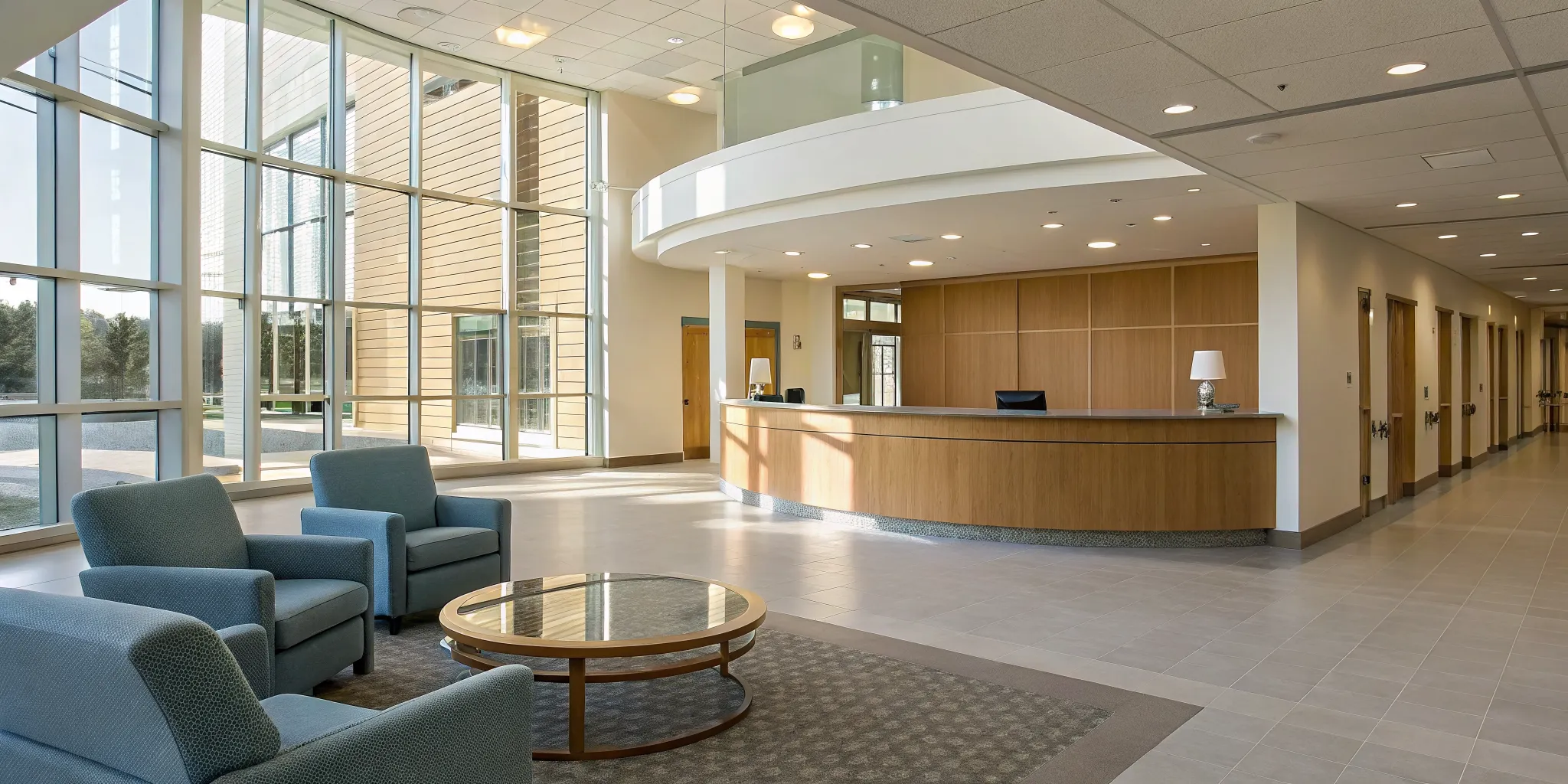
Your environment plays a huge role in your recovery. Nestled in the serene hills of Ventura County, our Thousand Oaks facility provides a peaceful and private setting where healing can flourish. We believe that a comfortable, supportive atmosphere is essential for the difficult work of recovery. Our luxurious setting is designed to make you feel cared for and valued, allowing you to focus entirely on your well-being without the distractions of everyday life. The tranquil surroundings offer a quiet space for reflection and growth, helping you reconnect with yourself as you build a new foundation for your future, free from addiction.
Related Articles
- How We Treat Addiction at Grata House
- What We Treat: Substance Use and Co-Occurring Disorders
- Addiction Treatment for Working Professionals
- Aftercare and Relapse Prevention
- The Significance of Family in Recovery
Frequently Asked Questions
How do I know if I need inpatient residential care? Deciding between inpatient and outpatient care is a personal choice, but inpatient residential treatment is often the best option if you need a complete break from your current environment. If you feel that daily life, work, or relationships are major triggers for your substance use, living at a facility provides a safe, structured space where you can focus entirely on your healing. It’s especially helpful if you need medically supervised detox or round-the-clock support to build a new foundation for recovery.
What if I’m struggling with my mental health, not just addiction? It is incredibly common for addiction to go hand in hand with conditions like anxiety, depression, or trauma. You are not alone in this. The most effective treatment centers will not just focus on the substance use; they will address both issues at the same time. This is often called dual diagnosis care. Treating the whole person, including your mental and emotional well-being, is essential for building a strong and lasting recovery.
I’m worried about the cost. How can I figure out if I can afford treatment? Concerns about cost are completely valid, but please don’t let them stop you from exploring your options. The best first step is to call the admissions team at a facility you are considering. Their job is to help you navigate the financial side of things. They can verify your insurance benefits and explain exactly what your plan covers. Many facilities also offer payment plans or other options to make treatment more accessible.
Is finishing a rehab program enough to stay sober forever? Completing a rehab program is a huge accomplishment and gives you the essential tools for recovery. However, recovery is an ongoing journey, not a one-time fix. Think of rehab as building the foundation and aftercare as the continued support that keeps that foundation strong. A good aftercare plan, which includes things like ongoing therapy and support groups, is what helps you handle real-world challenges and is a key part of maintaining sobriety for the long term.
My family wants to help, but they don’t know how. What is their role during my treatment? Family support can be a powerful part of your recovery, and it’s great that they want to be involved. The best role for your family is to learn and heal alongside you. Quality treatment programs often include family therapy and educational sessions. This helps your loved ones understand addiction, learn how to set healthy boundaries, and rebuild trust. It prepares everyone for a healthier dynamic when you return home, creating a supportive environment for your continued success.