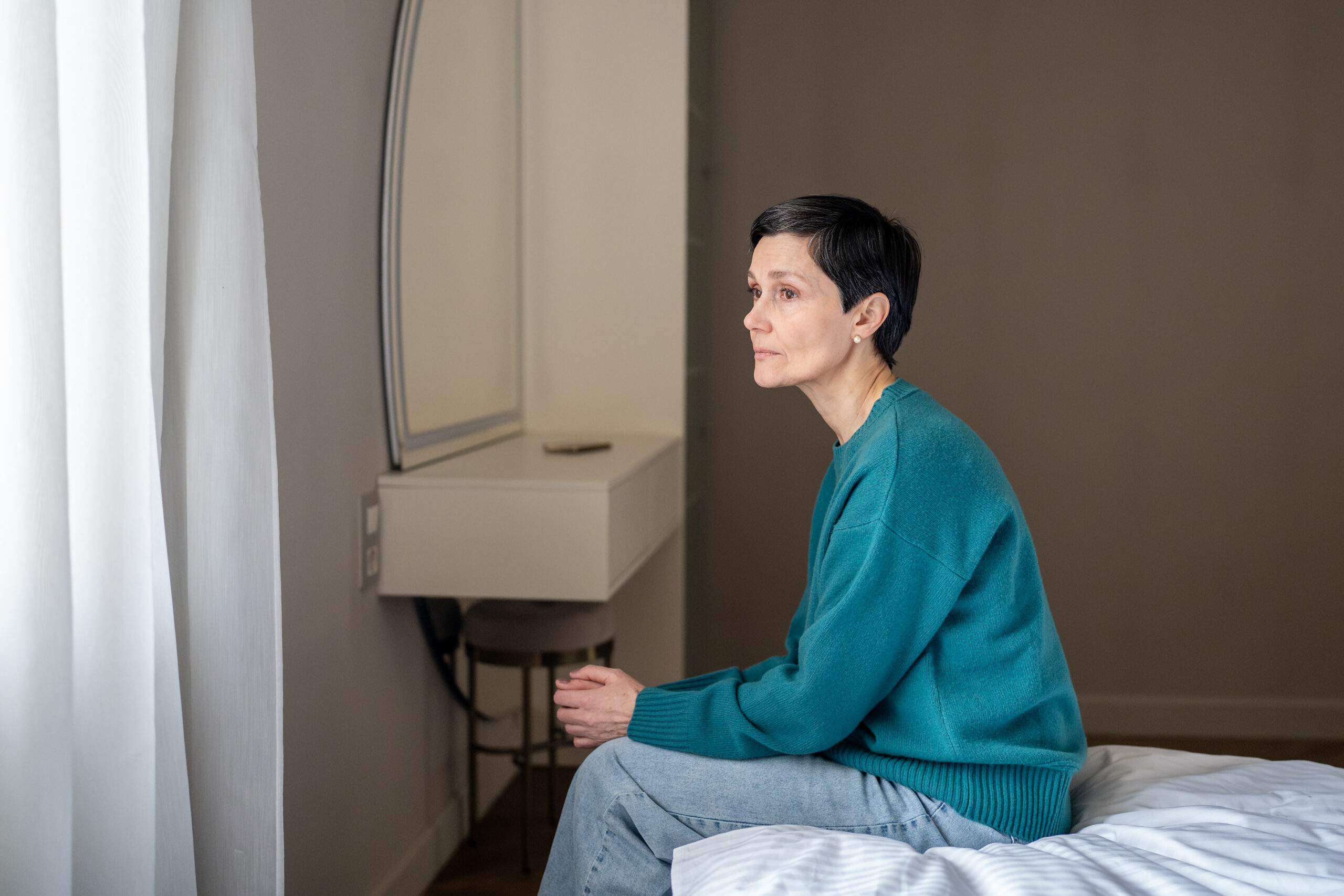
Inpatient mental health stays depend on three things: clinical severity, program type, and the aftercare plan that lets you step down safely. Acute general-hospital psychiatric stays cluster around 5 to 10 days. Specialty psychiatric and residential dual-diagnosis programs run 1 to 4 weeks, often longer for trauma or complex cases.
Here at Grata House, families call us most weeks with the same question: “How long is an inpatient mental health stay, and what comes next?” Our residential program in Ventura County is built around what happens after acute psychiatric stabilization, so we have a clear view of how length of stay plays out.
This page covers typical ranges by diagnosis, what shapes timing, intake, discharge planning, and how to prepare.
Key Takeaways
- Most adult psychiatric stays last about 7 days. The American Psychiatric Association cites an assumed average of 7 days in acute hospital psychiatric units; some stabilizations finish in 72 hours, others extend several weeks.
- Diagnosis changes the math. Major depression averages around 6 inpatient days, bipolar disorder closer to 30 days, and chronic schizophrenia can run 72 to 135 days when complicated by treatment resistance.
- System factors matter as much as clinical ones. Insurance authorization, the local bed shortage, voluntary versus involuntary legal status, and the strength of your aftercare plan all influence when discharge becomes safe.
- Specialty residential programs are designed for the work acute units do not have time for. At Grata House, we treat the trauma, dual diagnosis, and substance use that often sit beneath a psychiatric admission, with stays planned around clinical milestones rather than insurance days alone.
Typical Length of an Inpatient Mental Health Stay
Inpatient mental health stays typically last about 5 to 10 days in general hospital psychiatric units. Specialty psychiatric hospitals and residential programs more often run 1 to 4 weeks, with longer durations for complex trauma or dual-diagnosis cases.
The widely cited benchmark from the American Psychiatric Association is roughly 7 days for acute adult psychiatric hospitalizations. Within that average sits real variation: brief medical stabilizations under a week and complex cases that stretch to a month or more.
Length is not a fixed number. Several variables shift the timing:
- Diagnosis and severity
- Active suicidality or self-harm risk
- Co-occurring substance use disorder
- Response to medication and early therapy
- Availability of step-down care after discharge
Your treatment team should give you an estimated discharge target within the first 24 to 72 hours.
Inpatient Length of Stay by Diagnosis
This table summarizes typical adult ranges reported across hospital data and clinical literature. Individual stays vary widely.
| Diagnosis or Presentation | Typical Inpatient Length of Stay | Primary Clinical Driver |
| Acute Crisis / Suicidal Ideation (Stabilization Only) | 3 to 7 days | Safety restored, plan in place |
| Major Depressive Disorder | About 6 days | Medication response, safety plan |
| Anxiety Disorders (Acute) | 4 to 7 days | Medication titration, coping skills |
| Bipolar Disorder (Manic or Mixed Episode) | Around 30 days | Mood stabilization, insight |
| Schizophrenia or Schizoaffective Disorder | 30 to 135 days (varies by region) | Psychosis remission, treatment adherence |
| Substance-Induced Psychiatric Crisis | 5 to 14 days | Detox + psychiatric stabilization |
| Complex Trauma or Dual Diagnosis (Residential) | 30 to 90 days | Deeper psychotherapy, relapse prevention |
Short Stays vs. Longer Stays
Short stays focus on stabilizing acute risk and adjusting medication. Longer stays open time for trauma work, dual-diagnosis treatment, and a coordinated discharge plan.
- Short stays (stabilization): 1 to 10 days
- Longer stays (complex needs): several weeks to several months
Clear expectations about typical ranges help you plan logistics, family involvement, and aftercare commitments. For many families, that planning turns a brief medical intervention into a meaningful step toward whole-person recovery.
What Determines How Long You Will Stay
Clinical severity and risk are the primary drivers. Acute diagnoses, active suicidality, medical comorbidity, and response to early treatment determine when discharge is safe.
Research on length of stay in serious mental illness consistently finds that longer inpatient stays paired with strong community follow-up reduce readmission risk. System constraints, however, often push in the opposite direction.
Factors That Push Length of Stay Up or Down
| Factor | Direction | Why It Matters |
| Active Suicidality or Self-Harm Risk | Longer | Safety must be established before discharge |
| Co-Occurring Substance Use Disorder | Longer | Medical detox adds days; relapse risk requires planning |
| Treatment-Resistant Depression | Longer | ECT, TMS, or ketamine protocols extend admission |
| Psychosis or Mania | Longer | Medication titration and insight take time |
| Strong Outpatient Supports | Shorter | Safe step-down available |
| Insurance Prior Authorization | Variable | Concurrent review can shorten covered days |
| Voluntary Admission with Adherence | Shorter | Discharge negotiated collaboratively |
| Involuntary Hold (5150 in CA) | Variable | Legal release criteria must be met |
| Local Psychiatric Bed Availability | Variable | Bed shortages can shorten stays or delay admission |
Clinical Drivers
The clinical picture sets the floor for how much time stabilization needs. Drivers include:
- Severity of diagnosis
- Active suicidality
- Co-occurring substance use
- Medical risk and comorbidity
- Response to medication or therapy
The treatment team reassesses risk and progress daily, and adjusts the expected discharge target as the picture changes.
System and Social Drivers
Insurance authorization, bed shortages, available outpatient supports, and voluntary versus involuntary admission shift discharge timing. Two patients with similar diagnoses can have different lengths of stay based on factors outside the clinical picture.
Short Scenarios
- Acute psychosis plus medical withdrawal. Expect a longer stay for combined medical and psychiatric stabilization, often followed by residential step-down at a dual-diagnosis program.
- Mild depression with a solid outpatient plan. Expect a shorter stay and faster step down to therapy and psychiatry follow-up.
Intake evaluates clinical and nonclinical factors to set an individualized length-of-stay target and clear discharge goals.
What to Expect During Intake and Admission
Initial intake for an inpatient mental health stay typically includes:
- Registration and identity verification
- Triage and urgent stabilization
- Medical and psychiatric evaluation
- Safety screening
- Medication reconciliation
- Legal consent and patient rights review
- Orientation to the unit
Most of this happens within the first several hours after arrival.
Arrival and Check-In
You begin with registration and basic vitals. Staff verify identity, insurance, and immediate medical needs. Bring a photo ID and a current medication list.
Triage and Urgent Stabilization
Clinicians prioritize life-threatening medical issues and urgent psychiatric needs. Triage routes you to the safest initial level of care and any necessary medical stabilization.
Medical and Psychiatric Evaluation
Expect a clinical history review, mental status exam, and baseline labs when indicated. These guide medically supervised detox decisions, medication plans, and early therapy goals.
Safety Screening and Precautions
Staff screen for suicide risk, self-harm, and elopement risk. Identified risks prompt tailored observation levels and safety measures to protect you and others on the unit.
Medication Review
Bring an up-to-date medication list. Staff reconcile prescriptions, decide what continues, and plan medically supervised pauses for safety or treatment compatibility.
Consent, Rights, and Legal Paperwork
You will sign consent forms and receive patient rights information, including HIPAA privacy explanations. Ask questions if any term feels unclear before signing.
Orientation to Unit Rules
Orientation covers visiting hours, device policies, group schedules, and how to request clinician time. Clear routines help you settle in and engage in care.
Timeline and Weekend Variation
Initial intake usually completes within several hours. Weekend or holiday admissions can take longer, since some hospitals rely on temporary psychiatric coverage during those windows.
Documents and Belongings
Bring photo ID, current medication list, insurance card, and emergency contacts. Expect belongings checks and temporary storage of prohibited items for safety.
For clients whose mental health intersects with anxiety, depression, or PTSD, residential care after acute stabilization can deepen the work an inpatient unit only has time to begin. Our anxiety and depression treatment and PTSD treatment tracks are commonly used as the next step.
What a Typical Day Looks Like on an Inpatient Unit
A typical day on an inpatient psychiatric unit follows a structured routine. Medication rounds, group therapy, individual sessions, and safety checks anchor the schedule.
- Morning: nursing checks, medication rounds, breakfast
- Midday: group therapy, psychoeducation, individual psychotherapy
- Afternoon: therapeutic activities, recreational therapy, family or case management meetings
- Evening: medication checks, quiet time, safety rounds
Units vary by intensity, clinical acuity, and length of stay.
Visiting and belongings are limited for safety. Psychiatrist and therapist contact increases when needed, and the schedule adapts as a client stabilizes.
A steady routine creates the stability needed to begin deeper work. Residential and specialty programs typically layer in trauma-focused therapy, experiential modalities, and longer one-on-one sessions on top of that core schedule. For more on how trauma drives length of stay, our resource on healing trauma in recovery is a useful companion read.
Treatments and Therapies Available in Inpatient Care
Inpatient programs combine medication management, individual psychotherapy, group therapy, and clinical case management into a time-limited stay focused on stabilization and skill building. The mix and length depend on clinical severity and program type.
How Services Differ Across Settings
General hospitals prioritize rapid crisis stabilization and medication adjustment with shorter stays and heavy medical oversight. Specialty psychiatric hospitals offer longer observation, structured psychotherapy, and multidisciplinary teams for complex cases.
Private residential programs add extended, personalized therapy, experiential and holistic modalities, family integration, and greater privacy. This matters when you need both clinical depth and discretion.
Core Treatment Modalities
- Evidence-based psychotherapy: Cognitive Behavioral Therapy (CBT) and Dialectical Behavior Therapy (DBT) for trauma and mood disorders
- Trauma-focused psychotherapy and group therapy targeting skill building and relapse prevention
- Clinical case management, occupational or recreational therapy, and structured family sessions
- For clients with opioid or alcohol use disorder, medication-assisted treatment as part of the clinical picture
Medication Management and MAT
Medications stabilize acute symptoms and make psychotherapy more effective. Medication-assisted treatment is an evidence-based option for opioid use disorder that reduces relapse and overdose risk.
A clinically licensed team should coordinate medication decisions with the psychotherapy plan. Patients with a substance use component often need dual-diagnosis care that addresses both sides at once.
Visitor and Leave Policies
Visitor, phone, and leave rules balance safety with family integration. Hospitals typically restrict visits and off-campus leave to support acute stabilization.
Residential programs often offer structured therapeutic leave and planned family sessions to rebuild relationships while maintaining clinical oversight. This balance has practical implications for aftercare planning.
Rooming, Privacy, and Amenities You Can Expect
Inpatient room arrangements vary by facility type. General hospitals lean toward shared rooms; specialty psychiatric and private residential programs more often offer private spaces.
Shared rooms in general hospitals allow closer medical monitoring and faster staff response. Expect more clinical oversight and less personal space.
- Best fit when acute medical needs or close safety observation are priorities
- More frequent checks and shared common areas
Private residential and luxury programs emphasize privacy, confidentiality, and therapeutic comfort.
- Private bedrooms and en-suite baths
- Enhanced amenities supporting whole-person healing: nature access, private therapy spaces, tailored schedules
Luxury programs add discretion and upgraded services while keeping clinical safeguards like observation protocols and staffing ratios. Facilities balance safety and autonomy through clinician-approved leaves, structured passes, and individualized discharge planning.

Visiting Hours, Supervised Passes, and How Soon You Can Leave
Visiting hours and pass approvals govern most patient movement on an inpatient unit. Programs set fixed visiting windows and require clinical approval for supervised or unescorted passes.
Why Visiting Hours Matter
Visiting windows protect sleep, group therapy schedules, and on-site safety. Most programs limit visits to specific days and times to keep treatment predictable.
Supervised vs. Unescorted Passes
Clinical stabilization, formal risk assessment, and staff availability determine whether a pass is supervised. Clinicians often require observed outings before approving independent community time.
Involuntary Holds and Restrictions
When someone is under an involuntary hold, statutory requirements and court orders typically prevent unescorted departure. Release happens only when legal hearing criteria are satisfied.
Requesting Leave or Extensions
Clinical case managers and the treatment team review leave requests. Weekday reviews move faster than weekend reviews, and documented safety concerns change timelines.
Discharge Planning and Aftercare Options
Discharge planning guides aftercare options. The team assesses readiness, reconciles medications, builds a safety plan, and arranges stepped-down care while coordinating referrals.
Shorter inpatient stays make timely outpatient transitions more important. Continuity of care is the single most important predictor of how the next 90 days go.
Readiness Assessment
The team confirms symptom stability, sleep, appetite, therapy engagement, and ability to manage daily tasks before release. You and your clinicians review coping skills and supports together.
Medication Reconciliation
Clinicians verify prescriptions, adjust dosing, and provide written instructions plus a pharmacy plan. The goal is no missed doses and no harmful interactions.
Safety Plan
A personalized safety plan lists triggers, coping strategies, emergency contacts, and crisis resources. Keep it simple and portable.
Referrals and Step-Down Care
Referrals often move you to outpatient therapy, partial hospitalization (PHP), intensive outpatient (IOP), or residential step-down programs. For clients whose work continues past acute stabilization, our residential inpatient program at Grata House is one common next step. Our companion guide on aftercare and lasting recovery explains why those first 90 days matter so much.
Follow-Up Appointments
Discharge typically includes scheduled psychiatry and therapy visits within seven days of leaving the hospital. Case management arranges transportation, benefits, and family aftercare integration to support the transition.
Insurance, Coverage, and How Insurance Affects Length of Stay
Insurance authorization heavily influences inpatient length of stay. Insurers use prior authorization and concurrent review to confirm medical necessity day by day.
How Insurers Review Care
Accurate clinical documentation from the treating team and a clear discharge plan influence whether reviews approve continued stay or recommend step-down care. Strong notes protect coverage.
Common Coverage Limits and Costs
- Plans may set day caps, require step-down transitions, or apply level-of-care criteria
- Mental health parity laws require comparable coverage to medical care, but enforcement varies
- Out-of-network or private-pay stays shift cost to the patient; daily rates vary widely by program type
Appealing Denials
File an internal appeal with clinical justification from the treating team. Request an independent external review when available under state law.
Private-Pay and Concierge Options
Paying privately removes insurer coverage limits but requires upfront financial planning. A signed agreement should outline services, expected length of stay, and billing terms.
Voluntary vs. Involuntary Admission and Patient Rights
Voluntary admission means you consent to care and retain more control over discharge and treatment planning. Voluntary stays tend to be shorter when the patient engages with treatment.
A California Welfare and Institutions Code 5150 hold allows clinicians to detain someone for urgent evaluation for up to 72 hours without consent. If imminent danger persists, courts may extend with a 5250 (14-day) hold or pursue civil commitment.
You retain rights during any hold. Ask staff about legal representation, independent evaluations, the specific reason for detention, and appeal steps. Procedures vary by state, so confirm local rules.
The 988 Era: How Crisis Pathways Are Reshaping Inpatient Stays
The launch of the 988 Suicide and Crisis Lifeline in July 2022 changed how mental health crises move through the U.S. system. That shift now affects who reaches inpatient care, how soon, and for how long.
What Changed at the Front Door
988 answered more than 5.7 million contacts in 2024, expanding peer support and text-based crisis response. Crisis stabilization units (CSUs) and mobile crisis teams are now diverting cases that previously defaulted to emergency department (ED) visits.
At the same time, RAND research found that emergency psychiatric walk-in services actually declined at many facilities after 988 launched. Capacity has not kept pace with the new volume.
What That Means for Length of Stay
Two patterns are emerging from post-988 data:
- Moderate crises resolve at a lower level. Many calls now route to 988, mobile-crisis, or CSU services and finish within 23 hours, with no inpatient admission at all.
- Patients who do get admitted skew more acute. That can push individual lengths of stay longer than the 5-to-10-day historical average. ED boarding, or waiting in an emergency room for an inpatient psychiatric bed, has become a national bottleneck.
Crisis Stabilization Units and the 23-Hour Bed
Crisis stabilization units offer up to 23 hours of monitored care for people in acute psychiatric crisis. CSUs are designed to resolve crises without a full hospital admission.
For families, the practical takeaway is to ask: does your loved one need a CSU, an inpatient unit, or direct residential placement? The right level of care shortens the path to recovery.
The Bed Shortage Reality
The APA continues to document a national shortage of inpatient psychiatric beds. That shortage is one reason average stays in some regions are trending shorter, while waitlists for residential and dual-diagnosis programs grow.
If acute inpatient care closes its doors quickly, a planned step-down to a residential program is often the most stable next move.
How to Prepare for an Inpatient Mental Health Stay
Preparing for an inpatient stay means practical readiness and emotional preparation. Start by reviewing admission details and contacting admissions to confirm what is allowed.
Pack Smart
- Comfortable clothing, list of current prescriptions with doses and prescribers, toiletries in clear plastic bags, allowed chargers
- Leave weapons, illicit substances, and loose medications at home; most facilities require original prescription bottles
Paperwork and Insurance
- Photo ID, insurance card, emergency contacts, advance directives if you have them, recent medical or psychiatric records
- Completing insurance preauthorization early reduces financial surprises
Work, School, and Family Notifications
- Notify employers or instructors and arrange short-term leave
- Designate a trusted emergency contact and share how clinicians can reach them
Medications and Admission Goals
Verify medication instructions with your prescriber before arrival to avoid gaps. Write 1 to 3 admission goals such as safety, symptom stabilization, or learning coping skills.
A clear goal helps the clinical team tailor care and supports a smoother transition into treatment.
How Family Members Can Participate and Support Treatment
Family involvement strengthens engagement and reduces relapse risk. Participation in family therapy, education sessions, and discharge planning improves outcomes when consent and clear boundaries are in place.
Roles You Can Play in Inpatient Care
- Provide collateral history at intake to inform the assessment
- Join structured family therapy and psychoeducation sessions
- Participate in discharge planning to secure realistic aftercare
Best Practices for Supporting a Loved One
- Listen without judgment and keep communication concise
- Set consistent, compassionate boundaries
- Learn common relapse signals and coordinate with the clinical team
Privacy, Consent, and Visits
Clinicians need the patient’s consent to share details. Visitation and information sharing follow facility policy and clinical status, so check with the treatment team for specifics.
At Grata House, our family and aftercare integration program brings loved ones into the work in a structured, clinically guided way.
How Inpatient Stabilization Connects to Residential Dual-Diagnosis Care
Inpatient mental health stays vary widely, and the path that comes after them matters as much as the admission itself. For clients whose mental health intersects with substance use, trauma, or both, residential care is often the next clinical step.
How Stabilization Feeds Residential Programs
Inpatient stabilization secures medical safety and acute symptom control. That handoff lets a residential program concentrate on integrated psychotherapy, medication management, and longer-term skill building rather than on crisis care.
Why Clinicians Recommend Specialty Settings
Clinicians often recommend private or specialty settings when privacy, complex co-occurring disorders, or trauma histories require integrated, intensive care. Common clinical drivers include:
- Privacy and reduced environmental triggers
- Integrated trauma and dual-diagnosis therapy
- Access to experiential modalities and extended psychotherapy
How Setting Affects Length and Content of Treatment
Choosing a specialty residential program often lengthens overall recovery time. Treatment shifts from stabilization to trauma processing, family work, and experiential therapies that take weeks rather than days.
That extended timeline supports deeper behavioral change and smoother outpatient transitions. A little extra time in the right setting often changes how recovery holds in the months that follow.
Wondering What Comes Next After the Hospital?
If a hospital admission has already happened or feels close, you do not have to figure out the next 30 days alone. Our admissions team can help you think through whether the right next step is outpatient follow-up, partial hospitalization, or a residential program for the work the inpatient unit could not get to.
A confidential conversation costs nothing and carries no obligation. We can verify your insurance, talk through clinical fit, and walk you through what arrival looks like if residential turns out to be the right move for your loved one.
Call our admissions line at 805-303-5481 any time, day or night. You can also reach us through our admissions and insurance verification page online.
Frequently Asked Questions
How long does an inpatient psychiatric stay usually last for adults?
Length varies by setting and clinical need. The American Psychiatric Association cites an assumed average of 7 days for adult acute psychiatric hospitalizations, with specialty units and residential programs commonly running 1 to 4 weeks or more.
Can insurance force me to leave before I feel ready?
Insurers review hospitalizations for medical necessity and may decline to authorize additional days. You can ask your treating clinician to submit more documentation, file an internal appeal, and request an external review under state law. Hospital social workers and patient advocates can help.
Will I see a psychiatrist every day while hospitalized?
Most acute psychiatric units have psychiatry contact daily or several times per week for medication review and progress checks. Specialty hospitals and residential programs often offer more frequent integrated team reviews. Ask during intake how rounds are scheduled.
What items can I bring, and what will be taken away?
Allowed items typically include nonsharp toiletries, closed containers of prescribed medications, and basic personal effects. Staff usually hold belts, lighters, razors, certain electronics, and over-the-counter or herbal medicines for safety, returning many of them at discharge.
How does an involuntary 72-hour hold work, and how long can it last?
A 72-hour hold allows clinicians to detain someone for urgent psychiatric evaluation when there is danger to self, danger to others, or grave disability. In California, this is the 5150 hold under Welfare and Institutions Code Section 5150; longer extensions (5250) or civil commitment may follow if criteria are met.
What follow-up care should I expect after discharge?
Discharge planning commonly includes medication reconciliation, a written safety plan, scheduled outpatient appointments, and referrals to PHP, IOP, or residential step-down. Many programs aim for a follow-up appointment within seven days of leaving the hospital.
Can family members attend therapy sessions while I am admitted?
Family education, collateral interviews, and family therapy are commonly available with patient consent. Joint sessions and discharge planning meetings are often built into the standard schedule, especially at specialty and residential programs.
How long is residential dual-diagnosis treatment compared with inpatient psychiatric care?
Inpatient psychiatric stays usually run 5 to 14 days. Residential dual-diagnosis programs more often run 30, 60, or 90 days because they layer trauma, family, and relapse-prevention work on top of stabilization.
Talk to Admissions About Clinical Fit and Next Steps
If you or a loved one is weighing inpatient stabilization, specialty residential care, or a step-down placement, the fastest path to clarity is a confidential conversation with admissions. Our team can review diagnostic complexity, co-occurring needs, and available programs so you can match the setting to the goals.
Reach our admissions team at 805-303-5481 any time, or visit the Grata House contact page to start insurance verification online.